Knowledge for consultants
What you need to know and be able to do as a strategy consultant
Ten skills that are needed in every strategy project. For each one: the tool, the book behind it and the way to apply it.
- 10Skills
- 10Books
- 5Schools of thought
- 01
Structuring problems
Break a big problem down into MECE sub-questions (issue tree) and work with an early hypothesis.
ToolMECE, issue tree, Day One hypothesis
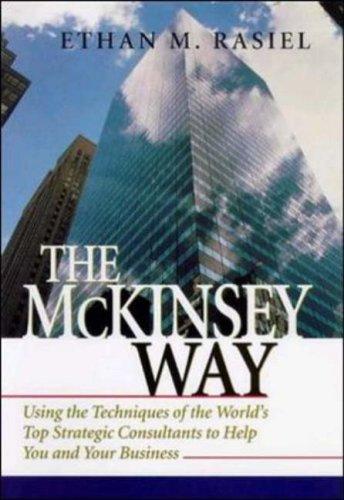 The McKinsey WayEthan M. RasielThe book behind itThe McKinsey Way
- 02
Communicating the answer first
Put the recommendation at the top and support it logically underneath. Every slide has a message as its headline.
ToolPyramid Principle, SCQ, storyline
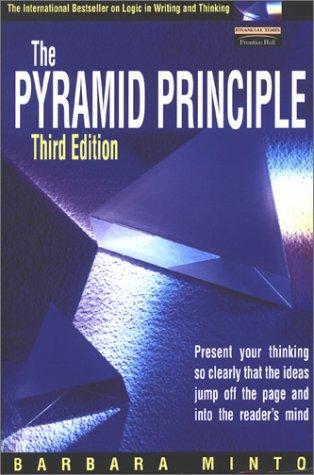 The Pyramid PrincipleBarbara MintoThe book behind itThe Pyramid Principle
- 03
Persuading with numbers
Choose the right chart for each message and leave out everything that does not carry it.
ToolZelazny’s five types of comparison
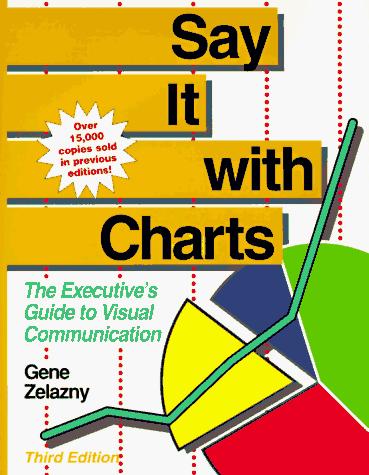 Say It with ChartsGene ZelaznyThe book behind itSay It with Charts
- 04
Analysing markets and competition
Assess industry attractiveness and positioning systematically.
ToolFive Forces, generic strategies
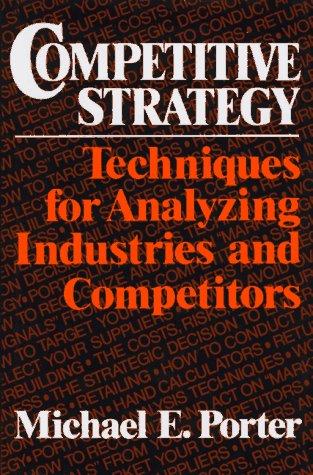 Competitive StrategyMichael E. PorterThe book behind itCompetitive Strategy
- 05
Telling real strategy from goals
Insist on a diagnosis, a guiding policy and coherent actions.
ToolRumelt’s kernel
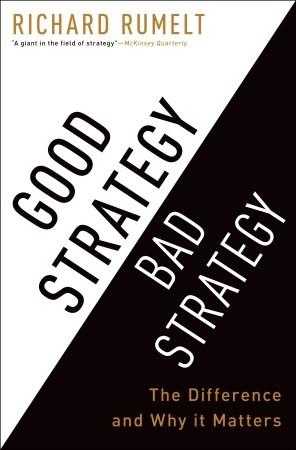 Good Strategy Bad StrategyRichard P. RumeltThe book behind itGood Strategy Bad Strategy
- 06
Thinking up new markets
Recombine the factors of competition instead of just getting better at them.
ToolStrategy canvas, ERRC grid
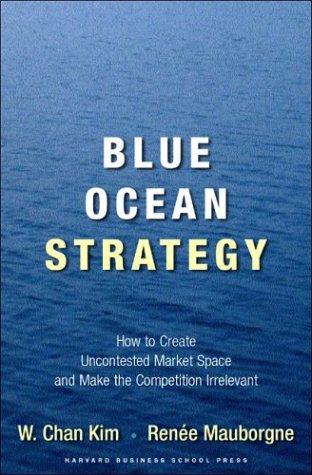 Blue Ocean StrategyW. Chan Kim, Renée MauborgneThe book behind itBlue Ocean Strategy
- 07
Spotting disruption
Keep an eye on underestimated, cheaper attackers and on non-customers.
ToolSustaining vs. disruptive innovation
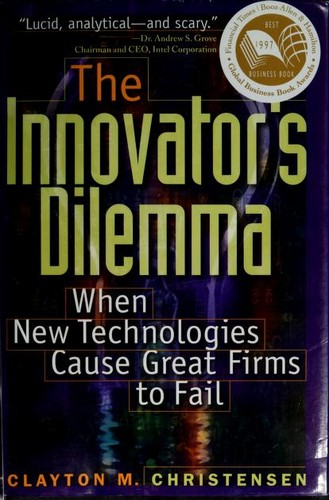 The Innovator's DilemmaClayton M. ChristensenThe book behind itThe Innovator's Dilemma
- 08
Deciding well
Recognise thinking errors in the team and make decisions robust.
ToolOutside view, pre-mortem, scenarios
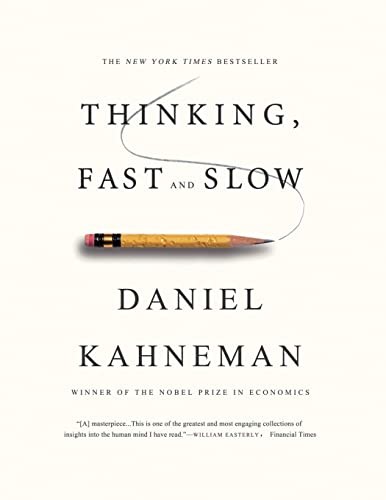 Thinking, Fast and SlowDaniel KahnemanThe book behind itThinking, Fast and Slow
- 09
Building trust
Move from service provider to the client’s sparring partner.
ToolTrust equation
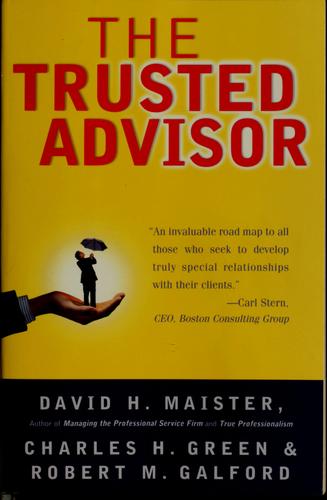 The Trusted AdvisorDavid H. Maister, Charles H. Green, Robert M. GalfordThe book behind itThe Trusted Advisor
- 10
Working effectively
Manage your time, contribution and priorities deliberately.
ToolDrucker’s five habits
 The Effective ExecutivePeter F. DruckerThe book behind itThe Effective Executive
General knowledge for consultants
Interest rates, tariffs, subsidies, regulation: if you know the great schools of thought, you can join the discussion in the steering committee.
- Social market economy
Ludwig Erhard and the regulatory framework
- Keynesianism
Karl Schiller and demand management
- Monetarism and supply-side economics
Thatcher, Reagan, Volcker
- Third Way
Blair, Schröder and Agenda 2010
- Free trade
Smith, Ricardo and the Corn Laws
- Keynes vs. Hayek
The debate behind every crisis policy
Frequently asked questions
What do I need to be able to do as a strategy consultant?
Break problems down in a structured way (MECE), work hypothesis-driven, communicate results using the Pyramid Principle, analyse markets with frameworks such as Porter’s Five Forces, persuade with numbers and charts, and win the client’s trust.
What general knowledge do consultants need?
Besides management frameworks, above all a grounding in economics: the great schools of thought such as Keynesianism, monetarism and the social market economy, their thinkers and the politicians who put them into practice. With this you can place interest rates, tariffs and regulation in context during a project.
What is the difference between a management consultant and a strategy consultant?
Strategy consultants are a specialisation within management consulting. They advise executive boards on questions such as growth, portfolio, market entry or transformation, while other consultancies focus more on implementation, IT or processes.
How do I become a good consultant?
Learn the basic tools (structure, communication, analysis) until they are second nature, read the classics behind them and consciously apply each concept in your next project. For every book, Benchreads shows you concrete steps to do this.
Last updated: 25 November 2026. Carefully researched, but without guarantee. Not legal, tax or investment advice. Disclaimer