Benchreads

Duel

Taleb

Nassim Nicholas Taleb · b. 1960


Kahneman

Daniel Kahneman · 1934–2024

The question

Do we decide badly because our minds make mistakes, or because the world cannot be predicted?

Kahneman, a psychologist and winner of the 2002 Nobel Prize in Economic Sciences, showed systematically how people misjudge. Taleb, a former options trader, argues that rare extreme events shape history and cannot be predicted. The two held each other in high regard; they are not at odds. But they apply the lever in different places.

Essayist, risk researcher, former options trader

Nassim Nicholas Taleb

  1. Rare, high-impact events (black swans) shape markets and history more than the normal case does.
  2. Forecasts in such environments are worthless. It is better to be robust or antifragile.
  3. Avoid risks that lead to ruin, however good the expected value looks.

ToolsBarbell strategy, antifragility, avoiding ruin

Use Taleb when …When decisions depend on rare extreme events: financing, supply chains, geopolitics, large investments.

Psychologist, Nobel Prize in Economic Sciences 2002

Daniel Kahneman

  1. People think in two systems: fast and intuitive (System 1), slow and analytical (System 2).
  2. Systematic thinking errors such as anchoring, overconfidence and the planning fallacy distort decisions.
  3. Good processes (outside view, pre-mortem, independent judgements) reduce errors and noise.

ToolsOutside view, pre-mortem, decision hygiene

Use Kahneman when …When recurring decisions need to get better: investment approvals, hiring, forecasts, pricing approvals.
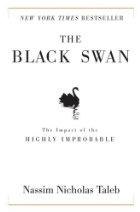
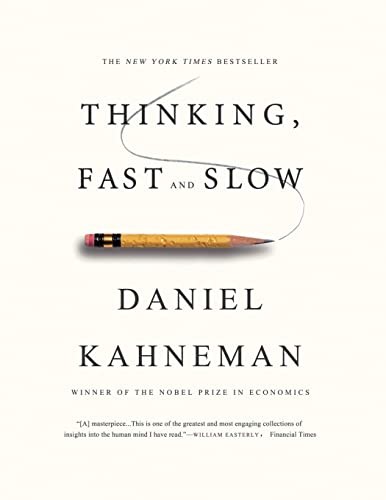
The takeaway for consultants

Kahneman makes your judgement better; Taleb makes you less dependent on whether your judgement is right. In a project, that means: improve decision processes with Kahneman’s tools, and build the strategy so that a black swan cannot kill it. If you follow only Kahneman, you optimise forecasts in a world that cannot be forecast. If you follow only Taleb, you give up better judgements where they are possible.

How to use both in a project

  1. 01

    Use the outside view for every plan: how long did comparable projects really take, and what did they cost? That is Kahneman.

  2. 02

    For every big decision, ask: which event would ruin us, however unlikely it is? Then limit that risk. That is Taleb.

  3. 03

    Combine both in the investment committee: independent individual judgements before the discussion, plus a stress test with extreme scenarios.

The line for the meeting

“Our forecast is as good as it can be. But what happens if it is completely wrong?”

The books behind it

Frequently asked questions

What is the difference between Taleb and Kahneman?

Kahneman studies how people systematically misjudge, and how better processes help. Taleb stresses that rare extreme events are unpredictable, and recommends making yourself robust rather than relying on forecasts.

Were Taleb and Kahneman opponents?

No. Both spoke appreciatively of each other in public. The comparison shows two approaches that complement each other.

DuelPorter vs. ChristensenWho wins: the company that holds the best position in an industry, or the one that reinvents the industry from below?DuelFriedman vs. FreemanWho does a company owe its obligations to: its owners, or everyone it affects? DuelKeynes vs. HayekState or market in a crisis?

Last updated: 25 November 2026. Carefully researched, but without guarantee. Not legal, tax or investment advice. Disclaimer