In shortLevel 2 is craft. Now you build slides every day, write storylines, run valuations and facilitate your first workshops. These books make you faster and better at it.
- (01)
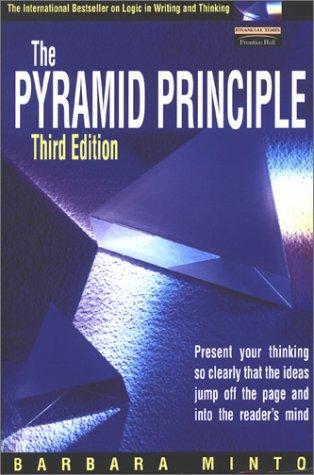
The Pyramid Principle
Barbara Minto · 1978
Why nowAnswer first, storyline, clean structure. The tool you will need every day from now on for slides, emails and reports.
View on Amazon - (02)
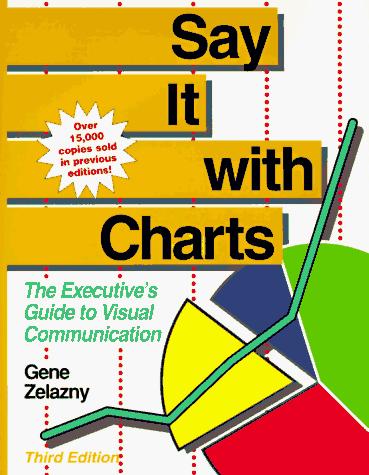
Say It with Charts
Gene Zelazny · 1985
Why nowWhich chart for which message. Saves you late nights before the steering committee.
View on Amazon - (03)
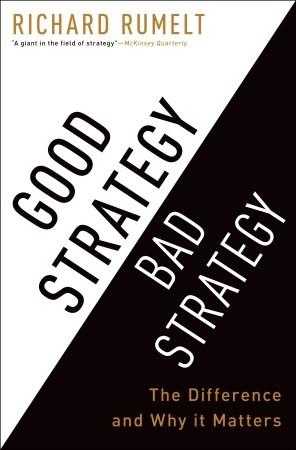
Good Strategy Bad Strategy
Richard P. Rumelt · 2011
Why nowHow to recognise a real strategy. Helps when you write your first strategy chapter of your own.
View on Amazon - (04)
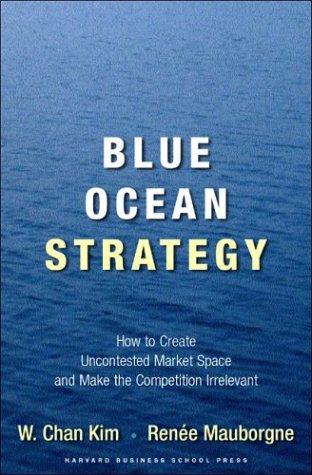
Blue Ocean Strategy
W. Chan Kim, Renée Mauborgne · 2005
Why nowThe strategy canvas and ERRC are workshop tools that you use yourself with the client on projects.
View on Amazon - (05)
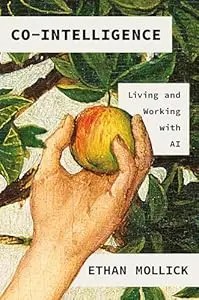
Co-Intelligence
Ethan Mollick · 2024
Why nowHow to work with AI without relying on it. Part of the everyday craft today.
View on Amazon
Also worth reading
- Supplementary · 1990ValuationMcKinsey & Company (Tim Koller et al.)The reference work on company valuation, for every M&A and strategy project.View on Amazon
- Supplementary · 2015Storytelling with DataCole Nussbaumer KnaflicA modern complement to Zelazny: showing data so that the message sticks.View on Amazon
Frequently asked questions
Which books help analysts and consultants in everyday project work?
“The Pyramid Principle” and “Say It with Charts” for storylines and slides, Rumelt’s “Good Strategy Bad Strategy” for strategy chapters, “Blue Ocean Strategy” for workshops and “Valuation” for valuation questions.
Last updated: 25 November 2026. Carefully researched, but without guarantee. Not legal, tax or investment advice. Disclaimer